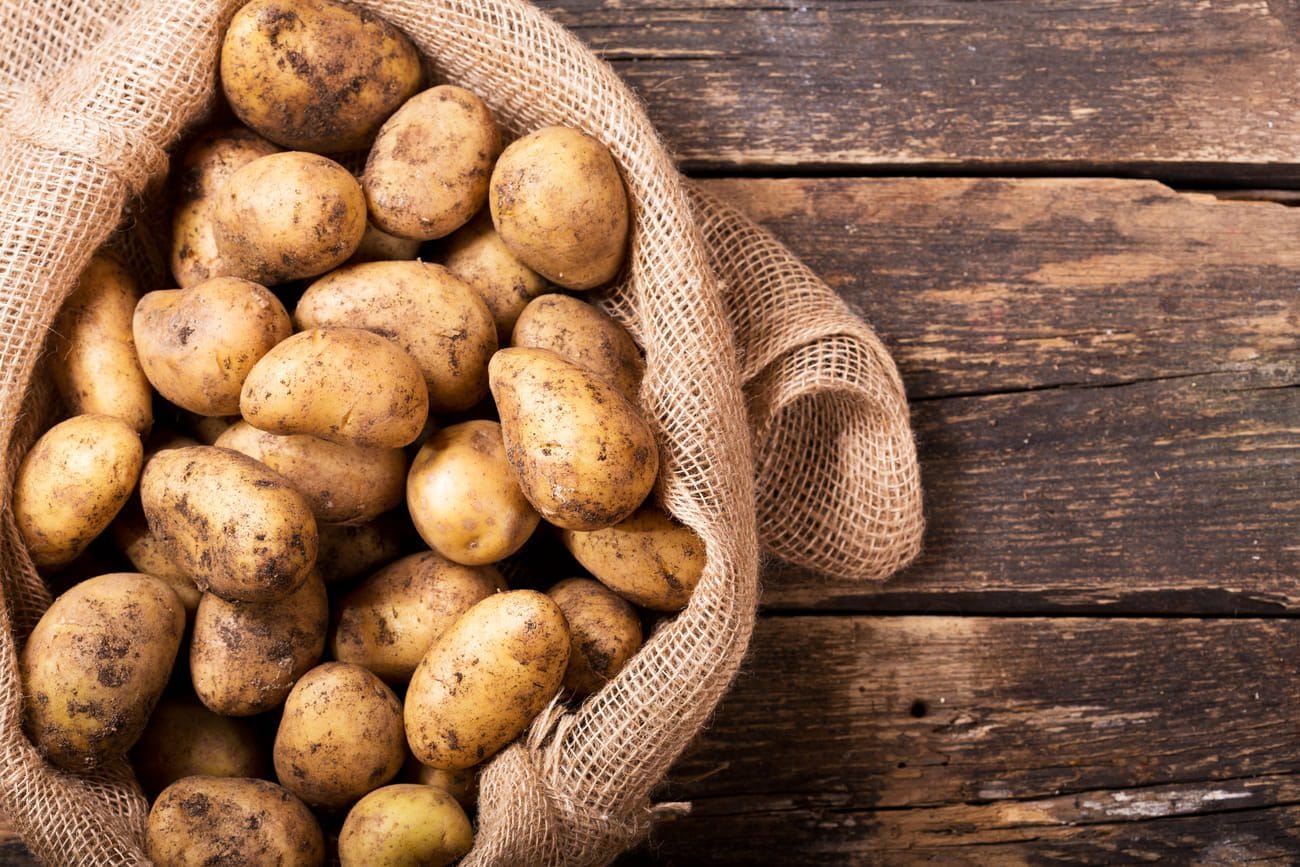

While the global community celebrated the humble potato on 29 May during International Day of the Potato, the University of Pretoria (UP) has been leading research that extends far beyond the kitchen. Most consumers regard the potato as a simple side dish, but UP researchers view it as a technological marvel, a climate-smart solution, and a vehicle for rural empowerment.
Complex structure of a spud
To tuber or not to tuber? For UP, the answer is a resounding yes, provided we understand the science beneath the skin. Why does one potato turn into a silky mash while another holds its shape perfectly in a salad? It all comes down to a delicate balance of starch and water, scientifically known as dry matter (DM) content. In South Africa, we are spoiled for choice with more than 100 registered cultivars, each possessing its own genetic personality.
The internal texture of a potato is scientifically determined by its DM content and specific gravity (SG), which measure the total amount of solids in a potato – made up mostly of starch – compared to the volume of water inside the tuber. SG is calculated by comparing the weight of a potato in the air to its weight when submerged in water, thereby providing an objective estimate of its density.
Generally, a higher DM content and high SG indicate a floury (or mealy) potato, which is characterised by a high starch-to-water ratio. These tubers become light, dry, and fluffy when cooked, making them ideal for creamy mashes or crispy roast potatoes. Conversely, potatoes with a high moisture content and low DM content or SG are classified as waxy. These tubers hold their shape and structure during boiling because they contain more water and fewer solids, making them the superior choice for potato salads and stews.
However, researchers have found that texture is ultimately a case of nature versus nurture. As Dr Carmen Muller said: “A potato’s texture, whether it’s waxy, floury or somewhere in between, is influenced by its genes (the cultivar) and the environment it grew in, including the soil type, temperature, and how much irrigation it received. This is why the same cultivar grown in two different regions, such as the sandy soils of the Free State’s Sandveld or the rich red loams of Limpopo, might behave differently in your pot.”
Every occasion and pocket
To take the guesswork out of your grocery shopping, UP and Potatoes SA have been perfecting a rapid boiling test to classify tubers into textural groups based on how they ‘crack’ when cooked.
Here is how to utilise that diversity in your kitchen:
- Waxy wonders: These have high moisture and low starch. They are the tough guys of the potato world, as they keep their shape when boiled and won’t fall apart in a sauce. Use them for potato salads, chunky stews, or simply boiled with a bit of butter and mint.
- Floury favourites: These are high in starch and low in water. When cooked, they become light, dry, and fluffy. Use them for the ultimate creamy mash, crispy roast potatoes, or fluffy baked potatoes that soak up toppings.
- The versatile all-rounders: These waxy/floury tubers are the middle ground. They can be used for almost anything – from the perfect slap chips to a quick microwave snack, they fit every busy week.
Dr Hennie Fisher explains that “the potato is truly the people’s player. It is the third-most-consumed crop in South Africa, enjoyed by every economic segment. In fact, across all income levels, South Africans consistently spend about 7 to 8% of their staple food budget on potatoes”.
For budget-conscious students, potatoes are a nutrient-dense, environmentally friendly powerhouse. They provide more energy and nutrients per unit of water used than any other staple crop. They also have the lowest greenhouse gas emissions among our local staples, making them as good for the planet as they are for your wallet. Whether you grab a bag of slap chips from a corner shop or prepare a gourmet gratin, the potato fits the bill.
UP and Potatoes SA are working diligently to ensure that the labels on potato bags accurately reflect the contents. So, the next time you find yourself in the fresh produce aisle, don’t just grab any bag. Look for the textural classification and pick the tuber that was born (and nurtured) for your specific dish.
Send an email to sashlin.girraj@up.ac.za or visit www.up.ac.za for more information.